
Can Security Guards Touch You in California? Understanding Your Rights and Their Legal Authority
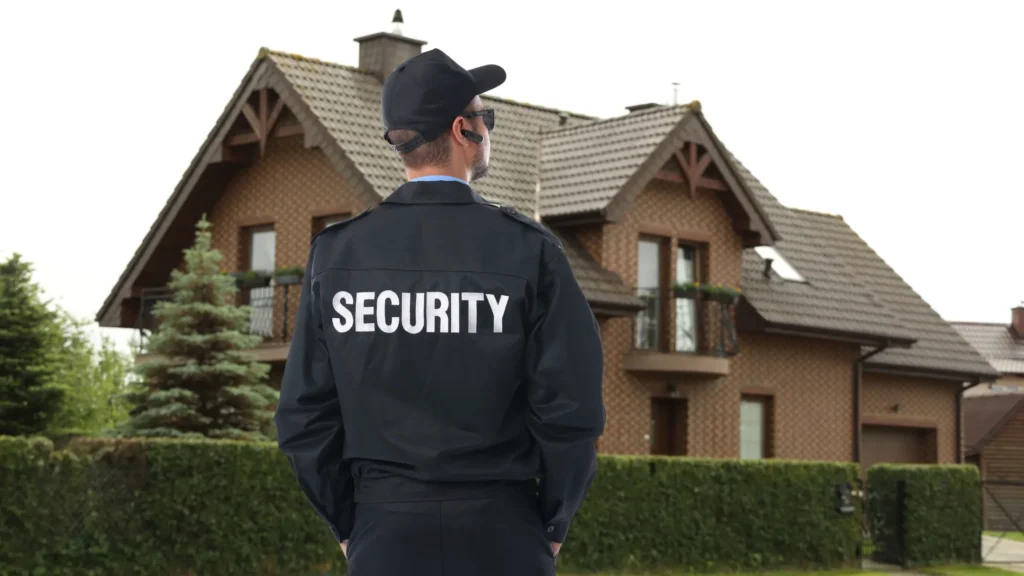
If you’ve ever been stopped by a security guard at a shopping mall, office building, or event, you might wonder whether they have the legal right to physically touch you. Unlike police officers, security guards in California are private citizens with limited legal authority, and understanding these boundaries protects both the public and security professionals. This guide explains when security guards can and cannot use physical contact under California law. What Legal Authority Do Security Guards Have in California? Security guards in California operate under specific legal limitations defined by state law and enforced by the Bureau of Security and Investigative Services (BSIS). First Choice Security Guard & Patrol Services operates under California Private Patrol Operator License PPO 121630, ensuring all guards receive comprehensive training in legal authority and proper conduct. Key legal authorities include: When Can Security Guards Legally Touch You? California law permits security guards to use physical contact in specific situations where legal justification exists. Understanding these circumstances helps both security professionals and the public navigate interactions appropriately. Performing a Citizen’s Arrest Security guards may perform citizen’s arrests under California Penal Code Section 837 when they directly witness a public offense or have reasonable cause to believe someone committed a felony. Guards must use only reasonable force necessary and immediately contact law enforcement. Exercising Shopkeeper’s Privilege California’s shopkeeper’s privilege allows retail guards to detain suspected shoplifters for a reasonable time, typically 15 to 20 minutes maximum. Detention requires reasonable cause, must occur on merchant premises, and permits only reasonable non-violent force. Using Self-Defense or Defending Others Guards can use reasonable physical force when protecting themselves or others from immediate harm or threatening behavior posing imminent danger. Force must be proportional to the threat and cease once the danger ends. Preventing Trespassing on Private Property Guards can use minimal physical contact to guide trespassers toward exits or remove individuals who refuse to leave after being asked. Contact must be minimal, non-violent, and occur only after verbal requests have failed. Conducting Voluntary Security Screenings Guards at venue entrances can request bag checks or metal detector screening, but these are voluntary unless posted as entry conditions. You can refuse any search and choose not to enter the property. Responding to Immediate Safety Threats Guards may physically intervene when witnessing active violence, preventing harm, or stopping criminal activity in progress. Response must be immediate and proportional, stopping once the threat passes. When Security Guards Cannot Touch You Under California Law California law strictly limits when security guards can initiate physical contact, and violations can result in criminal charges or civil liability. Knowing these boundaries protects your rights during security interactions. Lawful Contact Unlawful Contact Citizen’s arrest for witnessed crime Touching based on suspicion alone Self-defense from immediate attack Force after compliance achieved Shopkeeper’s privilege with reasonable cause Searches without consent Guiding trespassers after warning Detention without legal justification Voluntary security screening Forcing searches or ID checks Preventing ongoing violence Excessive or unnecessary force Questioning or Demanding Identification Guards cannot touch you to force questioning, compel ID on public property, or prevent you from leaving when not lawfully detained. You can decline questions, refuse ID requests, and walk away if not under lawful detention. Conducting Searches Without Consent Guards cannot search your pockets, bags, or belongings without explicit permission or conduct pat-downs absent specific safety threats. You can refuse any search and accept denial of entry rather than submitting to forced searches. Using Excessive or Unnecessary Force Even during lawful detention, guards cannot use more force than reasonably necessary. Striking, choking, or pain compliance techniques require immediate threat justification and must stop when the person complies. Detaining Based on Protected Characteristics California’s Unruh Civil Rights Act prohibits detention based on race, ethnicity, religion, gender, or other protected characteristics. Discriminatory practices expose guards and employers to civil rights lawsuits and license sanctions. Preventing Legal Activities Guards cannot use physical contact to stop lawful filming, prevent free speech on public property, or interfere with legal activities not prohibited by property rules. Property owners can set entry rules, but guards cannot use force beyond denying entry. Understanding Your Rights and Legal Protections in California California law provides clear protections during security guard interactions and establishes strict training requirements for all licensed guards. Professional security companies like First Choice Security Guard & Patrol Services train guards in de-escalation techniques and legal detention procedures to prevent rights violations. Your Rights During Security Guard Encounters If detained, you have the right to know the reason, request immediate police presence, and refuse questions beyond basic identification. Clearly state “I do not consent to this detention” and ask if you’re free to leave. Required Training for California Security Guards The Bureau of Security and Investigative Services (BSIS) requires all guards to complete 16 hours of training covering arrest powers, use of force, and professional conduct. Guards must pass Department of Justice background checks and renew licenses every two years. Key Differences Between Guards and Police Officers Security guards cannot make arrests beyond the citizen’s arrest authority, conduct searches without consent, or detain people for investigation. Police possess government-granted authority including probable cause arrests and investigative detention rights that private guards lack. Steps to Take If Unlawfully Touched Verbally announce “I do not consent to this physical contact” and request police assistance immediately. Document by photographing injuries, obtaining witness information, and noting details. File a police report, contact the security company, and consult an attorney about civil claims. Professional Security Company Standards Reputable companies prioritize de-escalation and communication over physical confrontation. Guards should attempt verbal resolution first, use minimum necessary force only when unavoidable, and immediately contact law enforcement when performing citizen’s arrests. Conclusion Security guards in California serve an important role in protecting property and maintaining safety, but they operate under the same legal constraints as private citizens rather than References: California Unruh Civil Rights Act (Civil Code 51): leginfo.legislature.ca.gov
Your Step-by-Step Guide to Security Gap Assessment

It’s the 21st century, and crimes are now smarter than you think. And you may have heard that, “Modern security problems need modern security solutions.” But how can you solve a problem when you don’t know what the problem is? Protecting your property, people, and information requires more than cameras and guards. You need a clear understanding of where your vulnerabilities lie, and that’s where a Security Gap Assessment comes in. Let’s take you through the step-by-step process of how to perform a professional security gap assessment and strengthen your protection strategy. What Is a Security Gap Assessment? A security audit or gap assessment is a systematic review of your premises’ existing security measures. This includes physical, procedural, and technological assessments to see where improvements are needed. It compares your current security posture against recognized standards, crimes, and best practices. In simple terms, it answers three critical questions: 7 Steps for Conducting a Detailed Security Gap Assessment Even well-secured facilities can develop safety risks. These can be because of technology changes, staff turnover, and new threats. Here is a detailed guide on how to assess the security gap in your property’s system: Step 1: Define the Scope and Objectives Before you begin, clearly define why and for what purpose the assessment will be. This will be the backbone of all the further steps. Here is what you should chalk out beforehand: Pro Tip: Start small if it’s your first assessment. Evaluate one site or department before expanding organization-wide. Step 2: Review Existing Security Info After you have decided what you’ll be doing and what results you want, the next step is assessing information. This includes gathering documentation and data related to your current security setup, including: Reviewing this material will help you understand what’s already working — and what might need reinforcement. Step 3: Conduct a Physical & Procedural Walkthrough Document check done? Well, next is to conduct an on-site inspection to evaluate both physical security measures and human factors. During this, you should assess: Involve your security guards in this step. After all, they know practical weaknesses that paperwork won’t show. Step 4: Identify Vulnerabilities and Rank Risks After gathering all data, list every security gap you have discovered. Then, rank them based on severity and likelihood using a simple matrix. Here is a sample for your understanding. Risk Type Example Impact Priority Unauthorized Access Unsecured rear entrance High Immediate Action Technology Failure Non-functioning CCTV camera Medium Fix within 7 days Process Weakness No visitor sign-in protocol High Train staff ASAP Wondering how this will help? Well, a table like this will help you organize risks visually and you can make faster, data-driven decisions. Otherwise you can also get security risk assessment services from the companies who deal in it. Step 5: Develop Corrective Actions For each gap identified, create a specific corrective action plan. Here is a practical example for your help: This is just one instance. You should map out solutions for all the identified issues for a more robust security system in your premise. Step 6: Implement and Train You have executed the approved solutions, good! But don’t stop there. Having trained security guards is also crucial. Even the most advanced systems fail if personnel aren’t properly trained to use them. Make sure the security company you hire have trained their guards – and give refresher sessions – on: Step 7: Monitor, Measure, and Reassess Security is never one and done… and so shouldn’t you. You must track your protection system on a regular basis to ensure everything is under control. Also monitor: This ongoing cycle of assessment, improvement, and verification keeps your organization resilient against evolving risks. How Often to Assess Your Security System? You should assess your security system at least once a year or after any major change in staff, infrastructure, or technology. Regular checks help keep up with new vulnerabilities, ensure compliance with safety standards, and keep your protection measures effective against evolving threats and emergencies. Why Should You Hire Security Guard Services? While you can have in-house security, going for security guard services is always smarter. It ensures round-the-clock protection for your property, employees, and customers. Trained security guards deter crime effectively, respond quickly to emergencies, manage access control, and provide a visible sense of safety. They help prevent theft, vandalism, and disturbances too. But what makes them a more efficient choice than the conventional in-house security personnel is that you can hire them on your terms. Reach out to us at First Choice Security and we’ll provide the best solution for your needs. Conclusion Imagine having holes in what you thought was a perfectly woven sweater. This is what having security gaps is like. For sweaters, you’ll, of course, have holes. And for the security issues, you must fill the gaps. And the first thing in doing so, is finding them. Once you have done so, you will be able to take the appropriate measures.
Why You Should Hire Private Security Guard Services

Security is a major concern for both businesses and individuals. But the crime rates and safety threats are increasing with each passing day. Amid all this, you have to take the right preventive measures to protect your premises, assets, and loved ones. One way to ensure maximum security is by hiring private security guard services. And here are the top reasons why it is a smart one. Private security companies provide professional and experienced guards. They have extensive experience in handling security threats, preventing criminal activities, and handling emergency situations. Moreover, they identify potential threats and take quick action to prevent them. A professional security guard company in Los Angeles would always provide ongoing training to their guards. This ensures they stay up to date with the latest security protocols and techniques. A security guard’s presence acts as a deterrent to criminal activities. This means that criminals are less likely to target a place that has visible security measures in place. The mere sight of a security guard can make a criminal think twice. So, you are already safe by having one on-site. All in all, this helps keep vandalism, theft, and other criminal activities at bay. Private security guards work proactively. Other than taking care of crime, they are also trained to recognize suspicious behavior. With this, they ensure you are safe and sound all the time. The best reason to hire private security guards is that they are there to handle emergencies. And this includes medical emergencies, fire, or even natural disasters. They can provide first aid and evacuate people from the premises. In the event of an unauthorized security breach, a guard can quickly assess the situation and take the necessary steps to contain it. Key Takeaway: The quick response time of private security guards can stop issues from escalating and causing further damage. It can also help save lives in the event of a medical emergency or natural disaster. Security solutions can never be one-size-fits-all. Therefore, professionals offer customized security plans based on their clients’ specific needs. For this, they first conduct a thorough assessment. This helps them assess your security situation and potential loopholes. Afterward, they create a security plan that addresses these threats and provides appropriate security measures. The security plan can include CCTV monitoring, access control, patrolling, and other security measures, along with private security guards. Think your property will be unsafe after personnel are off duty? Well, not really. In fact, you are safe 24/7 with professional security guard services in LA. After all, they use CCTV cameras and other monitoring systems to keep a watchful eye on the premises. So, everything stays well protected even when no one is present. What Do Security Guard Services Include? Private security guard services include surveillance, access control, and emergency response. They provide armed, unarmed, mobile patrol, and event security based on client needs. Guards deter crime, manage risks, and ensure a safe environment for businesses, communities, and individuals with professionalism and reliability. Duties of Private Security Guards Responsibility Description Surveillance & Monitoring Observe premises via CCTV or patrols to prevent incidents. Access Control Manage entry or exit points and verify authorized personnel. Incident Response React quickly to emergencies, thefts, or disturbances. Reporting & Documentation Maintain daily logs and incident reports. Customer Assistance Offer directions, support, and reassurance to visitors. Types of Security Guards Every property or event has unique security requirements. Therefore, pro companies offer different types of guards and services: Final Thoughts Private security guard services provide a wide range of benefits to people and companies. They provide professionalism and expertise in safety regulation. How so? Well, they do it by acting as a deterrent to criminal activities and responding quickly to emergencies. Besides, professional security guard services are never rigid. In fact, they are always molded to suit different needs and situations. All you should do is share your requirements and goals with the company. And they’ll map out the perfect solution for you. Stay safe and secure with the help of First Choice Security Guard & Patrol Services. We are a Los Angeles-based security company that provides private security guard services. Our detail-oriented, insured, and licensed security and patrol services are fully customizable! Even if you are looking for something not listed on our website, there’s a good chance we can help. Book a free consultation now!
Top 5 Security Risks for Office Buildings (and How to Prevent Them)

Keeping the doors closed at night won’t keep your office building safe, nor will just having a guard at the entrance. It’s time you step it up and tighten the security. Modern workplaces face a wide range of security challenges. One of the most noticeable ones is unauthorized access, theft, physical breach, and heated arguments. Are you managing a corporate office? Or a multi-tenant building? Well, here are 5 risks you can face throughout your career. Keep reading to also find out how to prevent them correctly. This is one of the most common and costly office building security problems. Tailgating refers to when an unverified person follows someone through a secure door. And it is really easy to overlook during busy hours. Once inside, intruders can steal data, equipment, or sensitive documents before anyone notices. How to prevent it? While the possibility hangs, it can be dissuaded with the right measures. In this case, here is how: Having a professional lobby security guard prevents unauthorized access. This is not all. In fact, it also reassures tenants and employees that safety is a top priority. Office buildings usually have valuable items such as computers, mail, equipment, and sometimes confidential client data. Therefore, opportunistic theft can happen here. And they can occur during working hours or after-hours if security coverage is weak. How to prevent it? These risks are easily controllable if your security is robust and smart. Below is mentioned how: A mix of visible surveillance and on-site patrols is the key to keeping theft at bay. After all, this creates a strong deterrent. Security guards in SoCal trained in loss prevention will respond immediately to suspicious activity. So, having them is also really important. Graffiti, broken windows, or damaged vehicles are some common damages to commercial properties. They hurt a company’s image and can lead to expensive repairs. Parking garages and building exteriors are especially vulnerable during nights and weekends. So, take the right steps to make sure any such activity doesn’t happen. How to prevent it? Important Note: Act quickly! Prompt cleanup and repairs show that your property is monitored and protected. Unfortunately, workplace violence is one of the very serious concerns for office environments. Disputes between employees, angry visitors, or unauthorized ex-employees can escalate such situations very quickly. How to prevent it? Anything can happen in the heat of the moment. But being aware and wise can help you handle the situation… and even deter it. Also, confirm that the security guards you hire are skilled in customer service and crisis management. Well-trained guards recognize warning signs before an incident occurs. So, having them is equal to maintaining a peaceful environment. Not all security threats are criminal; some are catastrophic, too. I’m talking about fire hazards, power outages, or earthquakes. These can put lives at risk and disrupt business operations. When alarm systems are offline or under repair, the danger increases even more. How to prevent it? Here are some smart ways to keep natural disasters away from your office. Fire watch guards are specially trained to spot early warning signs of danger and respond before a situation becomes critical. So, hiring them is a proactive measure that can save property… and most importantly, lives. Security Risk Why Occurs? Prevention Tips Unauthorized Access Tailgating, poor visitor screening Use access control systems, hire lobby security, and audit keycards regularly Theft & Property Loss Unsecured equipment, weak surveillance Install CCTV, mobile patrols, and employee awareness training Vandalism Poor lighting, lack of visible security Increase lighting, patrol coverage, and install motion cameras Workplace Violence Disputes, ex-employee incidents Employ trained guards, create emergency response plans Fire & Emergencies Faulty systems, poor preparedness Assign fire watch guards, conduct regular evacuation drills Why Professional Security Guards Are the Best Prevention? Technology like CCTV cameras and keycard access systems is great. But they can’t replace the human awareness and rapid decision-making of a trained security guard. At First Choice Guards, our licensed professionals combine their vigilance with advanced security tools for a layered protection strategy. Reach out to us today for a smarter step toward security and protection in Southern California. Conclusion Every office building is different, but the goal is the same: keeping employees, tenants, and property safe. So, you must have a custom strategy that serves the distinct nature of your premise while serving the core purpose. By understanding these top five risks and implementing practical prevention strategies, you are somewhat sorted. After all, now you know why you need expert office security guard services.
9 Key Characteristics of Trustworthy Security Personnel

Security personnel are an important part of any organization. After all, they provide a layer of protection against threats. As such, it is important to ensure that security personnel possess the necessary qualities to provide effective protection. What exactly are those qualities? Well, you are about to find out. Here are the top 9 key qualities that prove a security guard is trustworthy. This is the basics of becoming a real-world security guard. Without proper training, your personnel wouldn’t know how to deal with threats. Training helps personnel to learn and understand the importance of security measures and how to implement them correctly. It also helps the LA security personnel to use the latest technologies and techniques to protect the organization. Besides, training enables personnel to stay up-to-date with industry trends, which further strengthens their knowledge and expertise. The way a security guard presents themselves is really important. They should have a clean uniform, neat grooming, and a confident posture. This creates an immediate impression of reliability and authority. Moreover, they should be professional in their conduct. This includes punctuality, respectful communication, and calm behavior under pressure. Security personnel who maintain discipline and follow protocols consistently inspire confidence and represent their organization’s values with integrity. Clients should feel like they can count on the personnel in every security-related situation. For this, security guards must take their jobs seriously and perform their duties with a sense of responsibility. They should always be honest and upfront with their clients. Moreover, they should provide accurate information and adhere to all security protocols. All in all, reliable and honest security personnel bring peace of mind to their clients. Fitness requirements for security guards are never just physical. In fact, they should be mentally vigilant too. In other words, they must be able to think quickly and focus on the task at hand. They should also be strong enough to tackle any physical situation right away. These qualities are also really critical for a security guard to have. After all, crime in LA can emerge in any form. And they should be alert and attentive to fight it. Trustworthy security personnel should always be observing their surroundings to detect even the slightest irregularities. This includes even the slightest changes in behavior, environment, or routines. This way, they can identify potential threats before they escalate. With this proactive approach, they help prevent incidents and ensure a safe environment. Remember, true vigilance means never becoming complacent and maintaining continuous awareness. Professional security guards have the ability to organize and coordinate tasks, delegate duties and responsibilities, and motivate others to reach a common goal. They are also able to effectively communicate with team members, provide guidance and direction, and recognize and reward the efforts of others. Good leadership skills also include the ability to anticipate problems and make informed decisions to resolve them. Trustworthy security personnel must possess these qualities in order to build and maintain trust with those they are protecting. No job can ever be done without good communication – and the same is the case with security personnel. A trustworthy guard should be able to convey the relevant message to the public, their fellow staff, and management. They should be able to talk clearly and in a concise manner. Moreover, they should be able to listen to others and take their feedback into consideration as well. In high-pressure situations, security guards must assess circumstances quickly and choose the most efficient response. Besides, good judgment allows them to balance firmness with empathy. It also ensures fair treatment while maintaining security. Handling a suspicious individual? Or responding to an emergency? Their ability to think clearly and act decisively is what minimizes risks. Therefore, make sure the security guard you hire makes consistent and well-reasoned decisions. Security guards often deal with a lot of sensitive information, restricted areas, or private conversations. It is essential to handle all these details with care. Clients expect that a reliable security guard would never disclose any confidential data. They should also not engage in gossip, as it can compromise safety. By maintaining strict discretion, they demonstrate respect for their clients and employers. How can companies test a guard’s reliability? Companies should do background checks, reference verification, and psychological assessments when they want to hire trained and reliable security guard. Regular performance evaluations are also important to measure trustworthiness. Additionally, observing how guards handle real-life scenarios reveals their consistency and commitment. What are the signs of an untrustworthy security guard? Problems like frequent lateness, neglecting duties, poor communication, and inconsistent behavior are some common signs of an untrustworthy security guard. They may also ignore protocols or handle sensitive information carelessly. Moreover, dishonesty, unprofessional conduct, or reluctance to follow orders are also strong indicators that a guard is not reliable. How to Assess the Reliability of a Security Guard? Evaluation Method What It Tests Why It is Important Background Check Criminal & employment history Ensures trust and integrity Reference Verification Past employer feedback Validates work ethic and reliability Skills Assessment Observation & role-play Test reaction and problem-solving Training Certificates Valid credentials Confirms professional competence Ongoing Reviews Performance over time Maintains accountability and quality Conclusion Security guards should always be reliable, professional, alert, responsive, and have good communication skills. Make sure that the personnel you hire are able to foster a safe and secure environment. Plus, they should build a culture of trust and respect.If you want to work with security personnel you can trust, First Choice Security Guard & Patrol Services has you covered. We are one of the best security companies that will keep your event or establishment secure. Get in touch with us today to learn how.
Security Guard vs. Security Agent: Which One Do You Need?

When it comes to protecting people, property, and assets, terms like security guard and security agent come to mind first. But you should know that they are not the same. Understanding what they do will help you make the right choice for any decision. So, here you go; we’ve done a detailed analysis of both personnel in this blog. Read along! What is a Security Guard? A security guard is a professional trained to protect people, property, and assets by maintaining order and safety. Their role is mainly preventive. Plus, they offer a visible presence to deter risks and respond quickly to incidents. Key Responsibilities of a Security Guard Here’s a set of tasks a security guard in Southern California is trained to do: What is a Security Agent? Compared to a guard, a security agent typically has more specialized training. Their role usually involves higher-level security tasks, including investigations, surveillance, or personal protection. Besides, they’re hired for situations where more advanced protection is needed. Key Responsibilities of a Security Agent Here’s a range of jobs a security agent in SoCal is usually specialized in: Aspect Security Guard Security Agent Training Basic security training and licensing Advanced training in surveillance, risk assessment, and protection Primary Role Preventive and visible presence Specialized, strategic, and discreet operations Work Environment Public spaces, commercial properties, events High-security areas, executive protection, corporate security Interaction Direct interaction with the public More behind-the-scenes or specialized client interaction Level of Expertise General security knowledge Higher-level expertise often requires certifications or a law enforcement background. Where to Hire a Security Guard? A security guard is best suited for locations that require a visible security presence and routine monitoring. They help maintain order, deter crime, and assist during emergencies in everyday environments where public interaction is common. Where to Hire a Security Agent? A security agent is ideal for high-risk or specialized situations that demand advanced expertise. They provide discreet, strategic protection and are often chosen by businesses, executives, or diplomats who require tailored security solutions beyond routine guarding. Wondering where to hire the security you need? Reach out to firstchoiceguards.com and let us help you. Can a Security Agent Be Armed? A security agent may be authorized to carry weapons, but it depends on local laws, licensing, and the specific assignment. In high-risk environments, armed agents are hired usually to provide executive protection or threat response. Proper training, certification, and legal approval are mandatory before carrying firearms or defensive tools. Why Understanding the Difference Matters? Choosing between whether you need a security guard or vs. security agent is so much more than just picking a title. It’s in fact about matching the right expertise to your specific needs. Here’s why you must understand the difference: Better protection for your needsEvery environment carries unique risks. A security guard in SoCal provides visible deterrence in public spaces. On the other hand, a security agent offers advanced expertise for high-risk or specialized situations. Knowing this distinction ensures you hire the professional to address the challenges you face. Cost-effectiveness with the right choiceHiring an overqualified agent for basic tasks can strain budgets. Meanwhile, underqualified guards in high-risk environments may leave vulnerabilities. So, matching responsibilities with the correct professional helps optimize security spending. Finding the expertise you requireWhether it’s a guard maintaining order in daily operations or an agent handling sensitive threats, the right professional is what you need. With them, you can focus on priorities while knowing your security needs are being managed. Conclusion Every premise or asset is different from the other. I mean, you can’t settle on a protection suited for a necklace to protect a government official. This is why you need to make the right choice between a guard and an agent. SoCal has plenty of security companies that can connect you with both professionals and that are good ones. If you are tired of endless searching, just reach out to us at First Choice Security! We’ll create a custom plan to best serve your requirements.
Pricing Models for Security Guard Services in SoCal

Hiring security guards in Southern California can be a really important decision based on your needs. And one of the most common questions people ask is: How much does it cost to hire a security guard? The answer depends on many things, including the pricing model you choose. These packages can be hourly, weekly, or monthly. In this guide, we’ll explain each model, its pros and cons, and how to decide which one fits you the best. Different Security Guard Pricing Models There are three different security guard pricing models usually available in SoCal. And choosing the right one is important to balance cost and security needs. Keep reading to know about hourly, weekly, and monthly security guard plans. Each option suits different situations, budgets, and levels of protection… Find out which one suits you. Hourly pricing is the most flexible model, perfect for temporary or short-term needs. It allows you to hire security guards for specific events, emergencies, or peak business hours. While the hourly rate may seem affordable, it can be an expensive choice if ongoing security is required. This plan offers both flexibility and cost-efficiency. Businesses often choose the weekly security guard model when they need consistent coverage without long-term contracts. It’s commonly used for retail stores, construction sites, or temporary business operations. This one is best for continuous, long-term security needs. Monthly security guard plans work great for offices, residential buildings, warehouses, or corporate facilities. After all, they guarantee round-the-clock protection. With this model, guards become more familiar with your property. Ultimately, the plan comes with stronger security awareness and improved reliability. Want to explore what security services you can avail of? Reach out to us at First Choice Security Guard & Patrol Services, and let’s see what model would work for you. Security Guard Pricing Models: Pros and Cons Understanding the advantages and drawbacks of each pricing model helps you make smarter decisions. Need short-term flexibility? Or long-term value? Well, comparing hourly, weekly, and monthly plans can help you make a choice in a better choice. Pricing Model Pros Cons Hourly Flexible and scalable Pay only for hours needed. Great for one-time events Expensive for long-term Minimum hours may applyRates fluctuate with demand Weekly Predictable weekly cost More affordable than hourlyGood for construction sites, retail, or temporary projects Less flexible than hourly. Not ideal for occasional use May still cost more than monthly Monthly Best value for continuous coverage Guards become familiar with the property Often includes added services (patrols, reports) Larger upfront commitment Less flexible if needs change Higher initial expense What is the Cost of Hourly Security Guard Pricing? The average hourly cost of a security guard ranges between $20 and $60 per hour. These rates depend on location, guard experience, and whether the guard is armed or unarmed. Hourly pricing may not be a very amazing choice for ongoing needs. What is the Cost of Weekly Security Guard Pricing? Weekly security guard contracts usually cost $600 to $1,500 per week. The price depends on the number of hours covered, guard qualifications, and site requirements. Weekly pricing is popular for short-term business projects. What is the Cost of Monthly Security Guard Pricing? Hiring a security guard on a monthly basis typically ranges from $2,000 to $6,000+ per month. Monthly contracts offer the best long-term value. This model ensures consistent coverage, improved guard familiarity, and often additional reporting services. Why Security Guard Pricing Varies Security guard costs in Southern California can never be one-size-fits-all. In fact, it will always be a different price you pay depending on different factors. Let’s talk about how these factors can affect the rates so you can budget better. By considering these factors, you can better evaluate whether hourly, weekly, or monthly security guard pricing makes the most sense for your situation. Conclusion You know by now about the main pricing models available. Your choice among them should depend on your budget, timeframe, and level of protection required. For example, an hourly plan is for when the needs are flexible, weekly offers balance, and monthly deliveries work in the long run. Check out the costs and pros and cons, and then pick one.
Key Personal Protective Equipments for Security Guards

Security guards often work in hazardous environments such as crowds, traffic, weather, possible physical conflict, and even chemical or biological risks. This is where PPE comes in! Personal Protective Equipment is essential, really essential for guards’ protection and efficiency. This article walks through every major piece of PPE a security guard might need, how to choose it, and how to use it properly. Did You Know? 70% of injured security guards were not wearing gloves. A List of All the PPE Security Guards Need Armed or unarmed – all security personnel must have the following gear to carry out their operations with safety and efficiency. We’ve also mentioned the benefits of PPE, so you know why exactly they’re so necessary. Security guards can face environments where falling objects or sudden impacts can occur. This is why head protection is important. It includes helmets, bump caps, and hard hats. This PPE is especially important for guards working in construction sites, industrial facilities, or during crowd control situations. Guards may be exposed to dust, debris, chemical splashes, or intense light. So, eye protection should also be a part of their PPE. It includes safety glasses, goggles, or face shields. All these help shield the eyes from harm. Proper eyewear is essential in settings where guards handle chemicals, patrol dusty environments, or work near bright lighting and hazardous materials. In loud environments, such as busy streets, construction zones, or event venues, prolonged exposure can damage hearing. Therefore, security guards should have earplugs or earmuffs. These minimize noise levels and protect their hearing. Proper hearing protection ensures guards remain alert and responsive without long-term auditory health risks. When exposed to dust, fumes, smoke, or airborne pathogens, respiratory protection becomes essential. These can be masks, respirators, or filtering face pieces. This is particularly important in hazardous sites, during fire emergencies, or while patrolling areas with poor air quality. All in all, respiratory PPE for security guards helps them breathe safely without health risks. For high-risk areas, protective vests for security guards are a must. After all, bulletproof or stab-proof vests protect against physical attacks. Another one of these is impact plates that provide extra coverage. This PPE is essential for guards in riot control, prisons, or armed response units where threats of violence or ballistic risks are higher. Whether it’s freezing or melting hot, guards do their duty! They deal with all kinds of situations, so they need all kinds of protection. High-visibility jackets, reflective vests, and weather-resistant coats are among them. With these, guards can be efficient at night and stay safe in harsh climates. These mainly include good-quality gloves. These can help with handling sharp, heavy, or hazardous materials. Options include cut-resistant, chemical-resistant, and thermal gloves, depending on the environment. With these, you can keep cuts, burns, and punctures at bay. Proper footwear for security guards who stand or patrol for long hours is important. Safety boots with steel toes, puncture-resistant soles, and slip-resistant grip reduce risks from falling objects, sharp debris, or wet floors. Strong, supportive footwear not only prevents injuries but also enhances comfort and endurance during demanding shifts. Security guards also need to kneel, crouch, or engage in physical defense situations during work. So, obviously, they need leg and knee protection, such as knee pads or shin guards. This equipment is especially useful for riot control, event security, or guards operating in rugged or unstable environments. Physical PPE is not the only thing you need. In fact, essentials also include communication tools like radios, body cameras, flashlights, or glow sticks. These devices help guards remain visible, connected, and capable of calling for backup in emergencies. Certain roles demand specialized PPE depending on threats. For example, security guards in hazardous facilities need chemical suits, biohazard gear, or medical protection. Similarly, riot units might require helmets, shields, and full riot gear. Guards and companies! Make sure you guys have the right specialized PPE for every situation. Common PPE Essentials PPE Category Common Examples Head Protection Helmets, bump caps, hard hats. Eye Protection Safety glasses, goggles, face shields. Hearing Protection Earplugs, earmuffs. Respiratory Protection Disposable masks, reusable respirators, and filtering facepieces. Body Protection / Torso Armor Bulletproof vests, stab-proof vests, stab/impact plates. High-Visibility & Weather Protection Hi-vis jackets, reflective vests, waterproof coats. Hand Protection Gloves—cut-resistant, chemical-resistant, thermal, heavy-duty. Foot Protection Steel-toe boots, puncture-resistant soles, slip-resistant footwear. Leg & Knee Protection Knee pads, shin guards. Communication / Visibility Devices Radios, body cams, flashlights, glow sticks. Other Specialized PPE Gowns, chemical suits, biohazard gear, ballistic helmets, riot gear. At firstchoiceguards.com, we make sure that both you and our staff stay risk-free in every endeavor. Feel free to reach out and find more about us. Best Practices in Using PPE Wearing PPE correctly is just as important as having it. Security guards must follow proper practices to maximize safety, reduce risks, and extend the life of their gear, like those below: Conclusion Personal Protective Equipment is a critical part of a security guard’s toolkit. The right PPE (chosen after careful risk assessment, properly maintained, and used correctly) can greatly reduce injuries and improve safety. Employers and guards who invest in quality PPE, training, and upkeep stay one-up! After all, they protect lives but also build trust and reliability in their security operations.
All About Security Guard Rates in SoCal

Hiring security in Southern California can feel confusing. After all, there’s so much to keep in mind: rates vary wildly depending on city, service type, licensing, and risk. Let’s make it a bit easier for you. Below, I’ll cut through the noise with up-to-date price ranges, clear factors that drive cost, and practical tips so you can build a realistic security budget for your business or property. What is the Cost of Security Guard Services in SoCal?The average cost of security guard services in Southern California ranges between $20 and $55 per hour. However, the actual price would vary depending on the location, type of service, and level of risk. Rates are higher in major cities like Los Angeles due to labor laws and demand. How much do armed security guard services cost in SoCal? Armed security guard services in Southern California typically average around $30 to $70+ per hour. These costs can differ based on training, licensing, and risk levels. High-demand locations, events, or VIP protection often push prices toward the higher end due to liability and insurance requirements. How much is the cost of unarmed security guard services in SoCal?Unarmed security guard services in Southern California generally range from $20 to $35 per hour. These guards are suitable for residential, retail, or commercial properties. They help with access control, patrols, and deterrence without the added expense of firearms training or specialized liability coverage. How Much Does Event Security Cost in Southern California? Event security in Southern California generally ranges from $25 to $50 per hour per guard. Keep in mind that these prices can increase for large crowds, concerts, or late-night events (where risks are higher). Fast Fact!Event guards usually handle access control, crowd monitoring, and emergency response to keep attendees and venues safe. What is the Cost of Mobile Patrol Security in Southern California? Mobile patrol or roving security units may cost $35 to $55 per hour in Southern California. Some companies also offer per-visit pricing for periodic security; this makes patrols a more cost-effective choice for businesses, parking lots, or gated communities. How Much Does Bodyguard Service Cost in SoCal? Executive protection and bodyguard services in Southern California usually cost between $75 and $200+ per hour. These rates vary depending on the client’s risk profile, required confidentiality, and guard training. VIPs, corporate executives, or high-risk individuals usually have to pay premium rates for hiring highly skilled personal protection specialists. Note: These prices are general ranges. You’ll find lower or higher bids depending on vendor, exact scope, and location. Factors Affecting Security Guard Pricing in SoCal A security guard company in Southern California would charge based on several factors. Let me walk you through the major ones of them so you can decide what’s best for you: Costs vary widely between unarmed, armed, supervisory, and executive protection guards. For example, armed guards cost more due to extra licensing, liability, and insurance needs. Urban hubs like Los Angeles, San Diego, and Orange County carry higher security costs. This is because of elevated wages, higher living expenses, and client demand as compared to less populated inland regions. Shift timing significantly impacts pricing. Night shifts, weekends, and holidays carry premium rates. Also, around-the-clock security coverage adds supervision, relief guard costs, and scheduling complexity. And that would ultimately raise the total service investment. California requires BSIS Guard Cards and, for armed positions, firearm permits. Ongoing professional training would raise the charges, but it also ensures guards remain skilled, compliant, and effective in delivering utmost safety. The more responsibilities assigned, the higher the hourly rate. Duties such as patrols, access control, reception work, alarm response, and detailed reporting all increase time, complexity, and cost. Security companies incorporate insurance expenses into service pricing. These include workers’ compensation, liability coverage, and risk management to ensure protection for both clients and guards. You should know that long-term or multi-post contracts can also bring discounted pricing compared to one-off hires. After all, vendors offer better rates for extended commitments. On the other hand, short-term or special event security usually costs significantly more. 5 Ways to Get the Best Security at the Best Price Hiring guards is a smart decision in most cases. But, yes, it can leave you with a strained budget. The good news is that you can tackle the expensive rates by just following these wise tips. I’ve compiled these in a table for you to easily know how each one will benefit you. Cost-Saving Strategy Why Bundle services If you need guards at more than one place, hire the same company for all sites. You’ll usually get a better deal and save money. Use mobile patrols Instead of paying for guards to sit at one spot all day, you can use roving patrols. They drive by, check areas, and cost less. Limit hours Schedule guards only during busy or high-risk times to cut costs while still staying protected. Combine tech & manpower Pair guards with cameras, alarms, or access systems. This way, you need fewer hours of live guards but still get strong, reliable security coverage. Lock in longer contracts. Companies often give discounts if you sign for longer periods. Just make sure the contract includes performance goals and a way to cancel if needed. Conclusion Security guard services in Southern California can be customized to fit both your needs and your budget. All you need to do is understand cost factors and use smart strategies like bundling services, leveraging technology, and scheduling guards wisely. This way, you’ll maximize protection without overspending. You must also compare providers, check licenses, and negotiate contracts to have the best security at the best price.
The Role of Security Guards in California – Your Guide

Security guards serve to secure people, property, and assets across a variety of settings. While they are not police officers, their presence helps deter crime, enforce rules, and provide peace of mind. Some security guards in California are responsible for monitoring surveillance systems, some for performing patrol, while some manage access points and respond to disturbances. This authority is granted or limited by law. Read along and learn more about the role of security guards in California. Who Hires Security Guards? In California, a wide range of people and companies hire security guards for different purposes. Business owners usually employ guards to monitor retail stores, offices, and warehouses, especially in areas with high foot traffic or elevated crime rates. Residential communities and apartment complexes may use guards to patrol neighborhoods, check visitor access, and respond to disturbances. Event organizers hire guards to manage crowds and ensure safety during concerts, festivals, or sports games. Additionally, schools, hospitals, government buildings, and transportation hubs frequently rely on trained security personnel to maintain a secure environment. There are differently trained security guards for different jobs and settings. Let’s learn about them now. Types of Security Guards in California Most commonly, security personnel in CA are divided into two categories: unarmed and armed. Each of these roles comes with specific responsibilities and legal requirements. Here’s what you should know about them: Unarmed Security Guards These are the most commonly employed ones. They monitor property, control access points, observe and report suspicious activity, and help enforce site-specific rules. And they do it all without carrying weapons. Unarmed security guards are usually found in retail, hospitality, educational, and residential settings. Armed Security Guards They have additional responsibilities and legal obligations. Moreover, armed security guards are authorized to carry firearms and are often assigned to higher-risk locations such as banks, armored transport services, government facilities, or private companies with valuable assets. To qualify, armed security guards must complete additional training and obtain a Firearms Permit through the Bureau of Security and Investigative Services (BSIS). They must also clear background checks, live-scan fingerprinting, and firearms proficiency testing. Did You Know?Private security guards outnumber police officers in the U.S. by nearly 2 to 1. The decision between hiring unarmed or armed security guards can be challenging. After all, both come with their own pros and cons. Always keep the level of risk, the nature of the property, and budget considerations in mind before choosing one. Legal Powers and Limitations of Security Guards In California, the authority of guards is not the same as that of law enforcement officers. Sure, they are allowed to observe, report, and take certain actions in emergencies. Still, their powers are limited by state law. Here, we are answering some of the most commonly asked questions about what security guards can or cannot do: However, once someone is detained, security guards must immediately notify law enforcement. They Can Security Guards Detain You? Detention usually doesn’t fall under the responsibilities of security guards. But they can do so under limited circumstances. In fact, they have a right to detain someone through a citizen’s arrest under Penal Code Section 837. This means they can legally detain a person if they:cannot hold a person for an extended period or transport them to another location. When Can They Use Force? Security guards are only permitted to use reasonable force to do the following: Their use of deadly force is only justified if there’s an immediate threat to life. The use of excessive or unnecessary force is illegal and can result in charges of assault or battery. Most guards are trained in non-lethal force techniques and are encouraged to de-escalate situations whenever possible. Do Security Guards Have the Right to Search You? Security personnel do not have the same legal authority as police to search people. They can only search a person or their belongings if: If you refuse, they cannot force you to comply. But they can stop you from entering a private property or event on this account. Can They Carry Weapons Legally? Only licensed and trained security guards in California can carry weapons. The type of weapon permitted depends on their certification: Armed guards have to go through background checks, mental health evaluations, and ongoing training to ensure responsible weapon handling. Remember that carrying a weapon without the proper license is a criminal offense. Important Tip!Security guards are there to do their job. So, stay calm and polite to avoid unnecessary tension. Knowing that security guards can and cannot legally do helps protect both your rights and property. Whether you need unarmed or armed professionals, trust the experts at First Choice Security Guard & Patrol Services for reliable protection. After all, safety starts with informed choices. Conclusion Security guards maintain order at places and situations where police cannot reach. It is true that they play an important role, but people still have their rights protected, like saying no to a search or asking for the police if they feel wrongly detained by a guard. As the need for security grows, it’s important to understand these rules so everyone is treated fairly. Whether you’re hiring guards or dealing with them in public, staying informed makes a big difference. For trusted and professional protection, choose First Choice Security Guard & Patrol Services.